Real Estate Cash Transaction Reporting Rule goes into effect March 1
FinCEN Reporting Rule Takes Effect March 1, 2026
What It Means for Florida Buyers, Sellers & Investors
Beginning March 1, 2026, a new federal rule will impact certain residential real estate transactions across the United States — including here in Southeast Florida.
The Financial Crimes Enforcement Network (FinCEN), a bureau of the U.S. Treasury, is expanding anti-money-laundering regulations into the residential real estate market.
The rule is formally titled:
Anti-Money Laundering Regulations for Residential Real Estate Transfers (RRE)
But here’s what really matters.
What Is Changing?
Starting March 1, 2026:
Certain residential real estate transactions that are:
• Non-financed (generally all-cash)
• Purchased by a legal entity (LLC, corporation, partnership)
• Or purchased by a trust
May require a Real Estate Report to be filed with FinCEN.
This reporting obligation does NOT typically apply when:
• The buyer is an individual person (not an entity)
• The transaction involves traditional bank financing
Who Has to File?
The reporting responsibility generally falls on professionals involved in the closing process — such as:
• Title companies
• Settlement agents
• Closing attorneys (where applicable)
Real estate agents are not the ones filing the report, but we need to understand the rule because it affects how transactions are structured and what documentation may be requested.
Why Is This Happening?
The goal is to increase transparency and prevent money laundering through anonymous shell companies purchasing residential property.
In high-value markets — including parts of South Florida — federal regulators have already been monitoring certain cash purchases through temporary Geographic Targeting Orders.
This new rule expands that oversight nationwide and makes it permanent.
What Information Will Be Reported?
While details may vary by transaction, the report may include:
• Information about the property
• Information about the entity or trust purchasing the property
• Information about the beneficial owners behind the entity
• Details about the transfer
This increases documentation requirements in certain cash deals involving entities.
How This Impacts Buyers & Sellers in Florida
For most traditional financed transactions — very little changes.
However, if you are:
• Purchasing investment property in an LLC
• Buying a property through a trust
• Closing all-cash through an entity
• Selling to an entity buyer
Expect additional transparency requirements and possibly extra documentation at closing.
This does NOT mean transactions become difficult. It simply means there is an added compliance step in certain scenarios.
What This Means for Investors
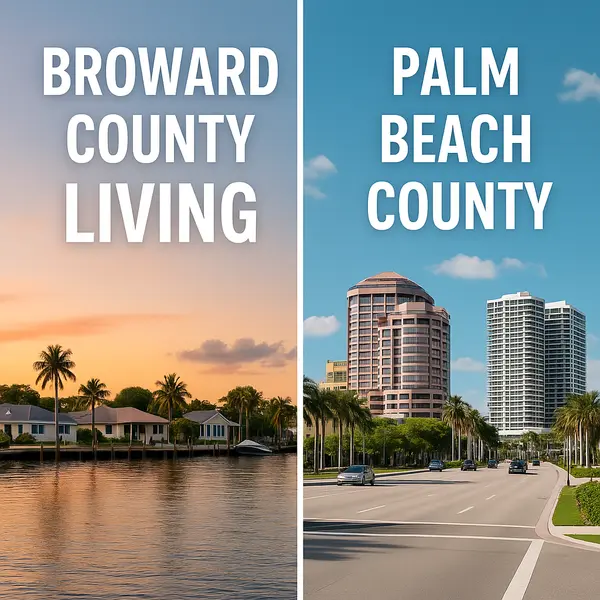
Many investors in Broward and Palm Beach County purchase through LLCs for asset protection and tax planning.
That strategy is still valid.
But starting March 1, 2026, qualifying all-cash entity purchases may require a FinCEN filing as part of the closing process.
If you are structuring a purchase through an entity, it’s wise to coordinate early with:
• Your title company
• Your CPA
• Your real estate advisor
My Take as a South Florida Realtor
The real estate industry continues to evolve — and compliance is becoming more important than ever.
The key takeaway:
This rule is about transparency, not restriction.
If you are buying or selling residential property through an entity or trust in 2026 and beyond, work with professionals who understand the process and can guide you smoothly through closing.
If you have questions about how this may affect your next transaction in Broward, Palm Beach, or surrounding areas, I’m happy to walk you through it.
Have a great weekend,
Christina Miranda PA
Recent Posts