What is a Net Lease in Commercial Real Estate
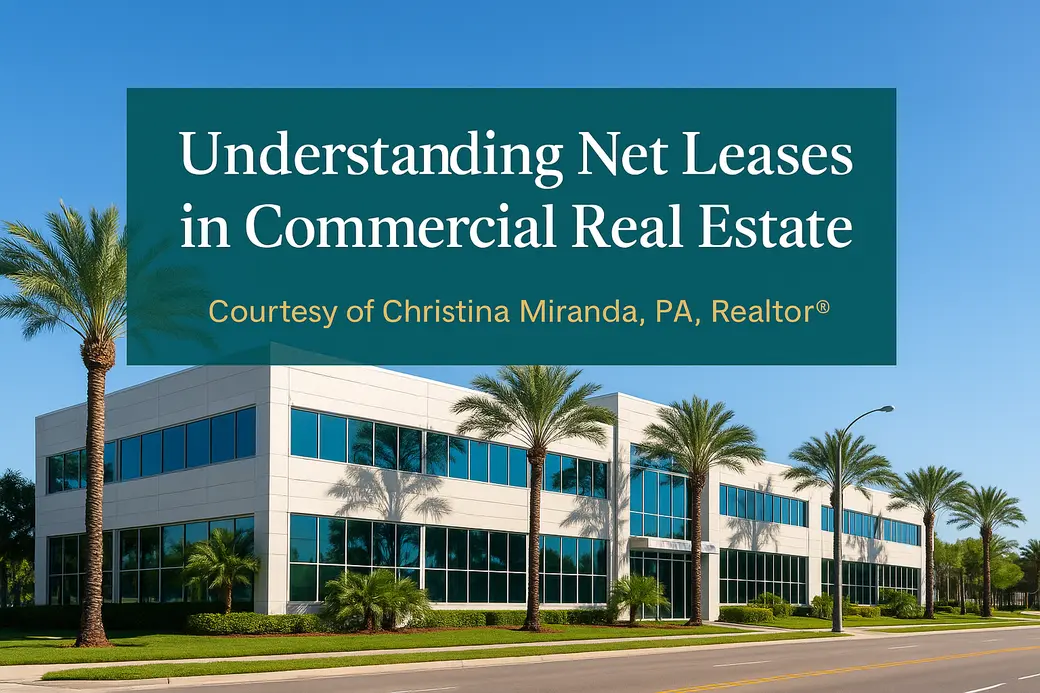
What is a Net Lease?
When exploring commercial real estate opportunities, you’ll often hear the term “net lease.” Whether you’re an investor or a business owner, understanding how a net lease works is key to making informed decisions about your property strategy.
A net lease is a type of rental agreement where the tenant pays not only rent but also takes on some or all of the property’s operating expenses—such as property taxes, building insurance, and maintenance. This is different from a gross lease, where the landlord covers those costs, and the tenant pays one flat rental rate.
In other words, a net lease gives tenants more financial responsibility but often comes with a lower base rent. For landlords, it can mean less hands-on management and more predictable income—making this structure popular for long-term, income-producing properties across Florida.
Why Landlords and Investors Prefer Net Leases
Net leases are appealing because they shift certain risks and expenses to the tenant while offering consistent, reliable returns. For landlords, this can mean less time spent managing the property and more time enjoying truly passive income.
Investors seeking stable cash flow—especially from creditworthy, long-term tenants—often favor Triple Net (NNN) Leases for their low management demands and predictable returns.
🏷️ Types of Net Leases
Single Net Lease (N)
The tenant pays base rent plus property taxes. The landlord remains responsible for insurance and maintenance costs.
Double Net Lease (NN)
The tenant pays rent, property taxes, and insurance. This structure shifts more expenses to the tenant, reducing the landlord’s operating costs.
Triple Net Lease (NNN)
The tenant covers rent, property taxes, insurance, and maintenance. This is the most common lease type for single-tenant commercial properties and offers the most predictable income for landlords.
Modified Net Lease
A flexible arrangement where the tenant pays rent plus some negotiated operating expenses. It blends features of a net and a gross lease, offering cost-sharing based on what both parties agree to.
⚖️ Pros and Cons of Net Leases
Pros
Lower Base Rent: Rent is typically lower than in gross leases, making prime spaces more affordable.
Expense Control: Tenants can directly manage certain property costs, potentially reducing total expenses.
Access to Premium Locations: The lower rent structure can make high-demand properties financially attainable.
Stable Income for Landlords: Investors enjoy predictable returns and reduced management involvement.
Cons
Variable Costs: Tenants must budget for fluctuating taxes, insurance, and maintenance expenses.
More Management Responsibilities: Tenants take on tasks typically handled by landlords.
Rising Long-Term Costs: Over time, property expenses may increase and reduce savings.
Upfront Due Diligence Needed: Both parties must carefully review the lease to avoid cost surprises.
Negotiating a Net Lease
When reviewing or negotiating a net lease, both parties should focus on clarity and predictability.
For tenants: Consider asking for caps on yearly expense increases or defining what qualifies as “maintenance” versus “capital improvement.”
For landlords: Ensure clear documentation of tenant obligations to protect your income stability and minimize disputes.
A well-structured lease benefits everyone and sets the foundation for a smooth, long-term partnership.
Key Takeaways
A net lease shifts certain property costs from landlord to tenant. The more “nets” in the lease, the more expenses the tenant covers. Landlords enjoy predictable income; tenants often benefit from lower base rent. Understanding the details upfront helps avoid surprises later.Whether you’re leasing your first office or adding a NNN investment to your portfolio, understanding these structures can help you make confident, strategic real estate decisions.
Courtesy of Christina Miranda, PA, Realtor®Commercial & Residential Real Estate | Serving Broward & Palm Beach County
Recent Posts